

jogos de hoje placar: Match Previews from Brazil to follow in 2026
Upcoming Matches
Times are listed so you can stack alerts. If two matches overlap, pick the league you actually follow rather than trying to watch both on paper.
A good preview starts before kickoff: it considers the schedule, the league table, each team's current form, and the news that could change the game plan. On this page, jogos de hoje placar brings together context for those following football in Brazil who want to understand the matchups without relying only on the final result. The focus is on explaining what to watch, which trends deserve attention, and how to read information responsibly, without inventing scores or treating projections as certainties.
Use these analyses as a starting point for following domestic and international matches throughout 2026. The placar jogos de hoje can be checked alongside the schedule and standings, while previews help interpret home advantage, recent form, and possible absences. Dates and lineups can change: always check official updates before each match begins.
How to interpret a match preview in 2026
A useful preview does not try to guess the score. It organizes verifiable signals so fans can understand the situation: recent performances, the quality of chances created, defensive solidity, rest between matches, and the needs of the league table. In long competitions, a team may prioritize consistency; in knockout tournaments, controlling key moments and managing the aggregate score carry more weight. The schedule matters too: travel, a buildup of matches, and coaching changes can affect intensity and tactical choices.
When consulting jogos de hoje placar match preview, separate facts from interpretation. League position and officially recorded results are data; an assessment of high pressing or likely rotation is analysis and should be presented as a possibility. Beginners can start by noting who is playing at home, the run of upcoming fixtures, and each club's situation. More experienced followers can compare attacking and defensive output, set pieces, and how a team responds under pressure.
Pre-match pages complement the schedule; they do not replace club announcements. Kickoff times, stadiums, broadcasts, and player availability may change due to decisions by the organizers or medical issues. So look for update notices and check the information close to kickoff. This approach keeps the focus on sports journalism: explaining the matchup clearly, without turning a trend into a promise or presenting provisional data as final.
Images and the atmosphere in the stands
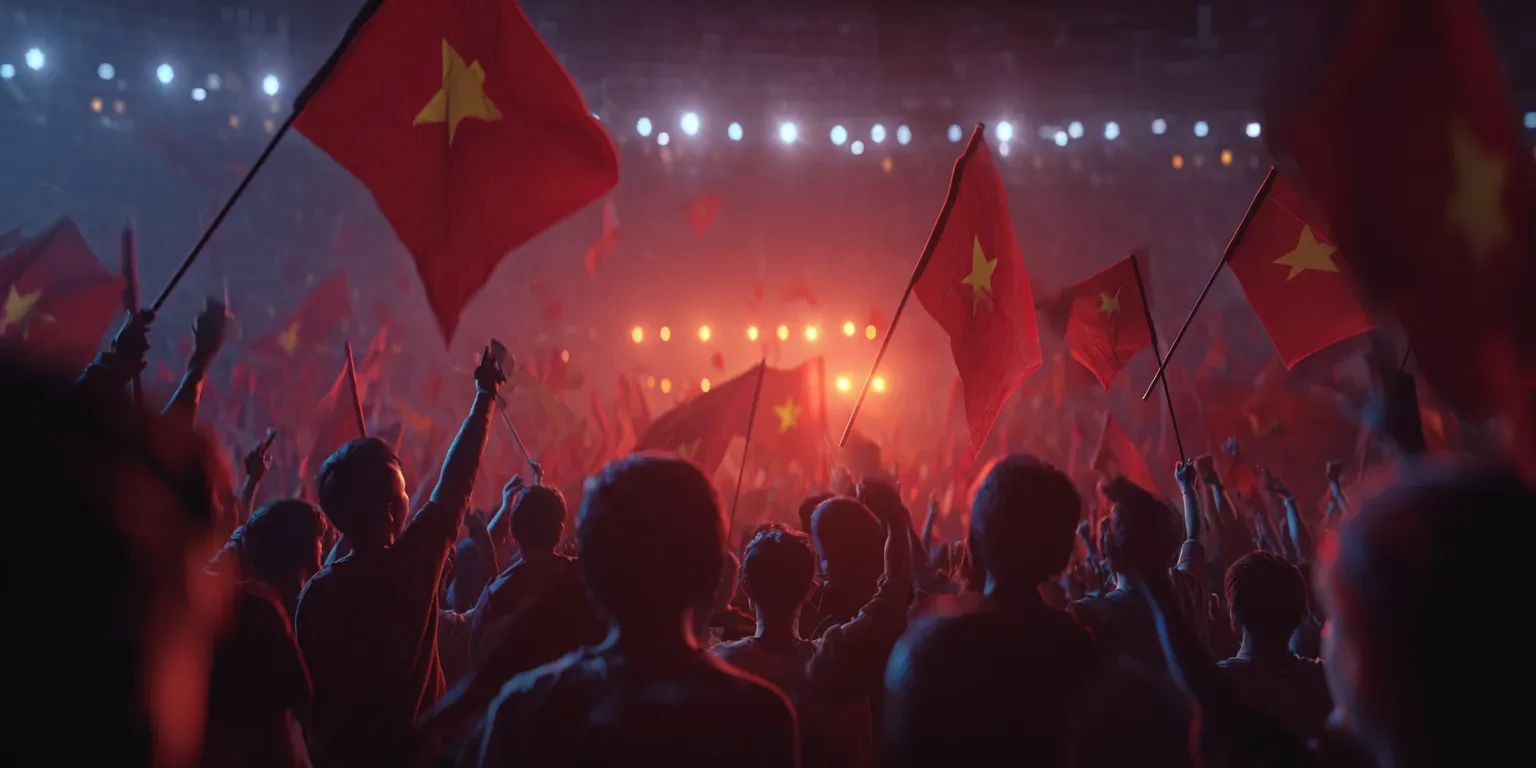
Brazilian football is shaped by rivalries, regional identity, and matches that change pace with the atmosphere. The images below illustrate this world; they do not represent confirmed lineups or predict results.



Focus on upcoming matchups: form, home advantage, and the pace of the round
To assess upcoming matches, start with the right sample. The last five games can show recent trends, but they do not tell the whole story: opponents, competitions, and conditions vary. A positive run against teams with different styles may suggest adaptability; an inconsistent run may reflect a congested schedule, squad changes, or difficulty turning possession into clear chances. Compare home and away performances without treating isolated percentages as a prediction of the next matchup.
In the Campeonato Brasileiro, the season's density makes each round part of a bigger story. The race for continental places, the search for stability in mid-table, and the fight to escape the lower part of the table all influence priorities. In derbies, the emotional intensity can raise the tempo, but discipline and control of transitions also deserve attention. In matches between clubs with different approaches, watch who can impose the pace: a high press, patient buildup, or quick attacks down the wings.
In European competitions such as the Premier League, La Liga, Serie A, and Bundesliga, the schedule may alternate between domestic matches and continental commitments. A preview should explain this context and consider possible rotations without claiming a lineup before it is officially announced. In the Champions League, the format and stage of the tournament change how a matchup should be read: points, goal difference, a second leg, or direct elimination can affect how cautious teams are. For Brazilian audiences, local kickoff times and time-zone differences are essential too; confirm the day's schedule rather than relying on an old fixture list.
A practical analysis combines three questions: which team arrives with more continuity, where might space open up, and what external factor could change the plan? The answer may involve advancing fullbacks, the midfield battle, set pieces, or physical fatigue. When figures are available, check the sample and the source. If information is unconfirmed, the page should describe it as a possibility. This way, fans can follow the match with context while leaving room for the unpredictability inherent in sport.
Lineups, absences, and tactical choices: what to watch
Squad news is an important part of any preview, but it needs careful wording. Injuries, suspensions, and returns should be mentioned only when reliable public information is available; a player's condition can change between training and match day. An absence in defense, for example, may lead to adjustments in coverage, while the absence of a creative midfielder may change how the team moves forward. This does not determine the result; it only shows which decisions the coach may need to consider.
Before the official lineup is announced, distinguish a predicted formation from a confirmed one. Closed training sessions, physical management, and strategy may prevent a team from repeating the starting eleven from the previous round. Also watch the bench: during weeks with matches close together, substitutions and the distribution of minutes can be just as relevant as the starters. For beginners, following positions and roles is more useful than memorizing formations. A setup announced as a 4-3-3, for example, can change during the match as fullbacks push forward or a striker drops deeper.
Head-to-head records can add context, but they should not be used as a shortcut to predict the future. Squads, coaches, and circumstances change; matchups from seasons long past have limited value in explaining the present. Instead, look for recurring tactical patterns, such as difficulty defending crosses or effectiveness in transitions, when recent matches support those observations. In derbies, the history helps explain the rivalry and pressure, but each edition has its own story.
In knockout tournaments, the first leg and the return match call for different analyses. An advantage built earlier may influence the level of risk a team takes, while a one-off match may lead to greater caution at the start. In round-robin competitions, consistency is usually more informative than a single match. A preview should make this distinction clear and avoid presenting estimates as facts. Final confirmation of starters, captains, and changes comes from the teams' and competition organizers' official channels.
Head-to-head records and standings: context without invented scores
Head-to-head records help identify patterns; they do not promise a repeat. When reviewing previous meetings, check the season, venue, and competition: a cup tie may have different demands from a league round. Also consider changes in the squad and coaching staff. If the page does not have a verified sequence, it is better to explain what to look for than to fill gaps with numbers. This content does not present any specific result as current without confirmation; consult the scores section for recorded and updated data.
The standings help measure the sporting significance of each match. Points, matches played, goal difference, and tiebreakers should be read according to the current regulations. A team with games in hand may appear in a provisional position, so compare the number of matches played before drawing conclusions. The table does not tell the whole story either: the run of opponents, cup commitments, and absences can explain fluctuations. To follow the situation accurately, combine the current position with the remaining schedule and official information.
In 2026, changes to the format or schedule may affect how specific tournaments are interpreted. The responsible organizing body is the reference for regulations, dates, and qualification criteria. Our coverage prioritizes clear information and separates confirmed data from editorial commentary. When a figure is subject to change, it should be identified as provisional or accompanied by the date it was checked. This transparency is especially useful for new fans, who can compare teams without confusing a momentary impression with the reality of the entire season.
To explore the site's coverage, visit jogosdehojeplacar.com and check the matches and results sections. Times shown should be understood in the time zone indicated on the page. If they differ from the official schedule, the most recent information released by the league, federation, or club takes precedence.
Competitions and matchups worth following
The suggestions below highlight real tournaments and offer a viewing guide, not a list of matches confirmed for a specific date. Check the updated schedule to see which games are scheduled. Each competition calls for its own perspective: the calendar, format, home advantage, and stage of the tournament help explain why a matchup may matter.

Campeonato Brasileiro Série A
Follow the race for positions and compare teams’ form at home and away. Over a long season, runs of form, rest, and squad depth help explain fluctuations; confirm the round and standings before assessing the situation.
View coverage
Copa Libertadores
The tournament includes stages with different demands, and travel can affect preparation. Consider home advantage, the matchup format, and the group or knockout-round situation without reducing your analysis to a distant head-to-head record.
View coverage
Copa do Brasil
The knockout format changes risk management and can pit teams from different divisions against each other. Check the rules, stage, and official schedule; squad selection and strategy depend on the context of each matchup.
View coverage
Premier League
The intense pace and variety of styles make it worth watching pressing, transitions, and squad depth. The schedule may overlap with domestic cups and European tournaments, so rotation deserves attention in your analysis.
View coverage
La Liga
Possession control and differences in how clubs approach the game offer useful points for analysis. Check recent form and confirmed absences, bearing in mind that playing style can vary depending on the opponent and stadium.
View coverage
Serie A
Defensive organization, use of space, and set pieces can be decisive in understanding different matchups. Compare the table with the number of games played and check whether continental fixtures are coming up.
View coverage
Bundesliga
Fast-paced matches can create space for quick attacks and pressing after losing possession. Follow recent form while considering the strength of the opponents faced, and check official lineups close to kickoff.
View coverage
UEFA Champions League
The tournament stage determines the importance of the result and the likely strategy. Consider travel, the time between games, and the knockout-round or standings situation; past results can provide context, but do not replace analysis of the present.
View coverage
Brazil national team and qualifiers
During international breaks, call-ups, travel, and training time affect preparation. Check the official squad list, competition format, and local kickoff time; do not assume players are available before the national teams release information.
View coverageHow to use the schedule and standings
First, check the date, time, and time zone. Then compare the table position with games played, points, and the competition’s rules. A postponed match can change the provisional picture, and standings alone do not confirm current form. Use previews to understand the context and the scores section to follow updates during the event.
Editorial standards and updates
We do not publish invented scores or present projected lineups as official. Injury information should be attributed to public sources, and any data subject to change must be checked again. The schedule may change due to organizational decisions, stadium conditions, or broadcast adjustments. In case of discrepancies, consult the official channels of the league and clubs.
A quick guide before kickoff
For those following more than one competition, saving the local kickoff time and checking the schedule throughout the day can help avoid confusion between rounds. Careful reading also makes it easier to follow the live score without losing the tactical context. Watch in moderation, take breaks, and keep sport as a source of entertainment and connection. No editorial analysis can guarantee how a match will end.
Frequently asked questions about previews and scores
How do I find today’s games and check the correct kickoff time?
Visit the matches section and confirm the date, competition, and indicated time zone. The schedule may change due to organizational adjustments or exceptional circumstances. If the displayed time differs from a recent announcement by the club or league, follow the latest official update and check the page again before
Customer Support
Online • Here around the clock